When to seek Pakistani or Urdu-speaking therapy
Seeking psychological support in your mother tongue is not simply a matter of convenience. For many people, it is a clinical necessity. Emotions, family memories, and our deepest experiences live in the language in which they were first felt. Working in Urdu allows you to express nuances, idioms, and cultural contexts that are often lost in translation.
For Pakistanis and South Asians living in Dubai, therapy in your language and culture can be particularly helpful at key moments: during initial adjustment to a new culture, when facing work or relationship challenges, in important life transitions such as marriage, parenthood, or returning home, and in moments of grief or family crisis, where support in your mother tongue offers a comfort that English often cannot provide.
Working with a psychologist who understands your cultural background is especially important when you are navigating family expectations, intergenerational differences, identity questions, or the pressures of religious and family values. Working with someone who already understands these dynamics makes therapy more effective and meaningful.
What to expect at your first appointment
Your first appointment is an opportunity for us to get to know each other. We will ask you to share what brought you to seek help, your personal and medical history, and what your goals are. There is no need to prepare; simply come as you are, with your questions and concerns.
Sessions typically last 50 minutes and can take place in person at our clinic in Dubai or online via secure video call. We will work together to define an individualized treatment plan, and we will check in on your progress at regular intervals. The frequency and duration of therapy vary based on your needs.
We operate on a pay-and-claim basis for insurance: clients pay for sessions directly and then submit invoices to their insurance provider for reimbursement, according to the terms of their policy. Our reception team can provide detailed invoices to make the process as simple as possible.
Frequently Asked Questions
Do I need to be fluent in Urdu or Hindi to have therapy?
No, fluency is not required. Urdu or Hindi-language therapy is helpful for anyone who feels more comfortable expressing themselves in these languages, even if it is not their first language. Many of our clients are bilingual or trilingual, and choose Urdu or Hindi for therapy because these are the languages in which their most significant emotional experiences were lived.
Can my children have therapy in Urdu?
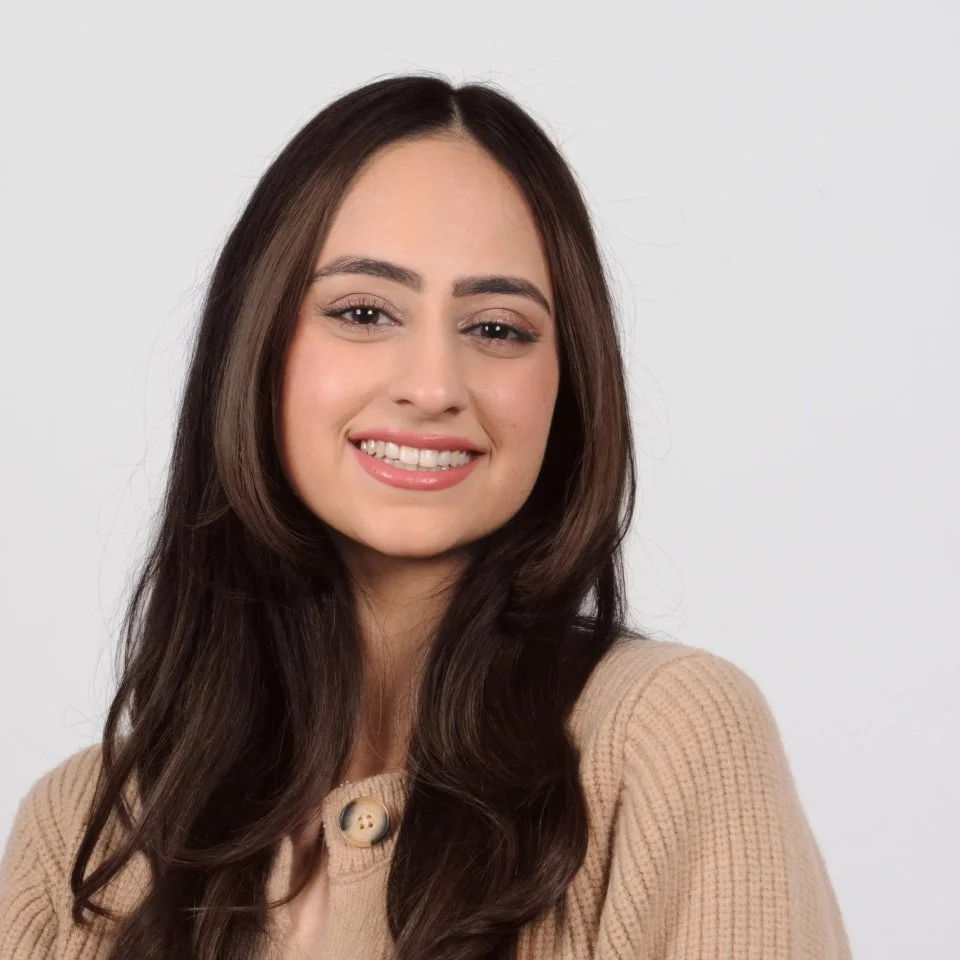
Pashmi Khare works with adolescents from age 15 and offers family therapy. For individual Urdu-language therapy with children under 15, current options are limited; please contact us and we will help you explore alternatives that match your child's specific needs.
What is the difference between a psychologist and a counseling psychologist?
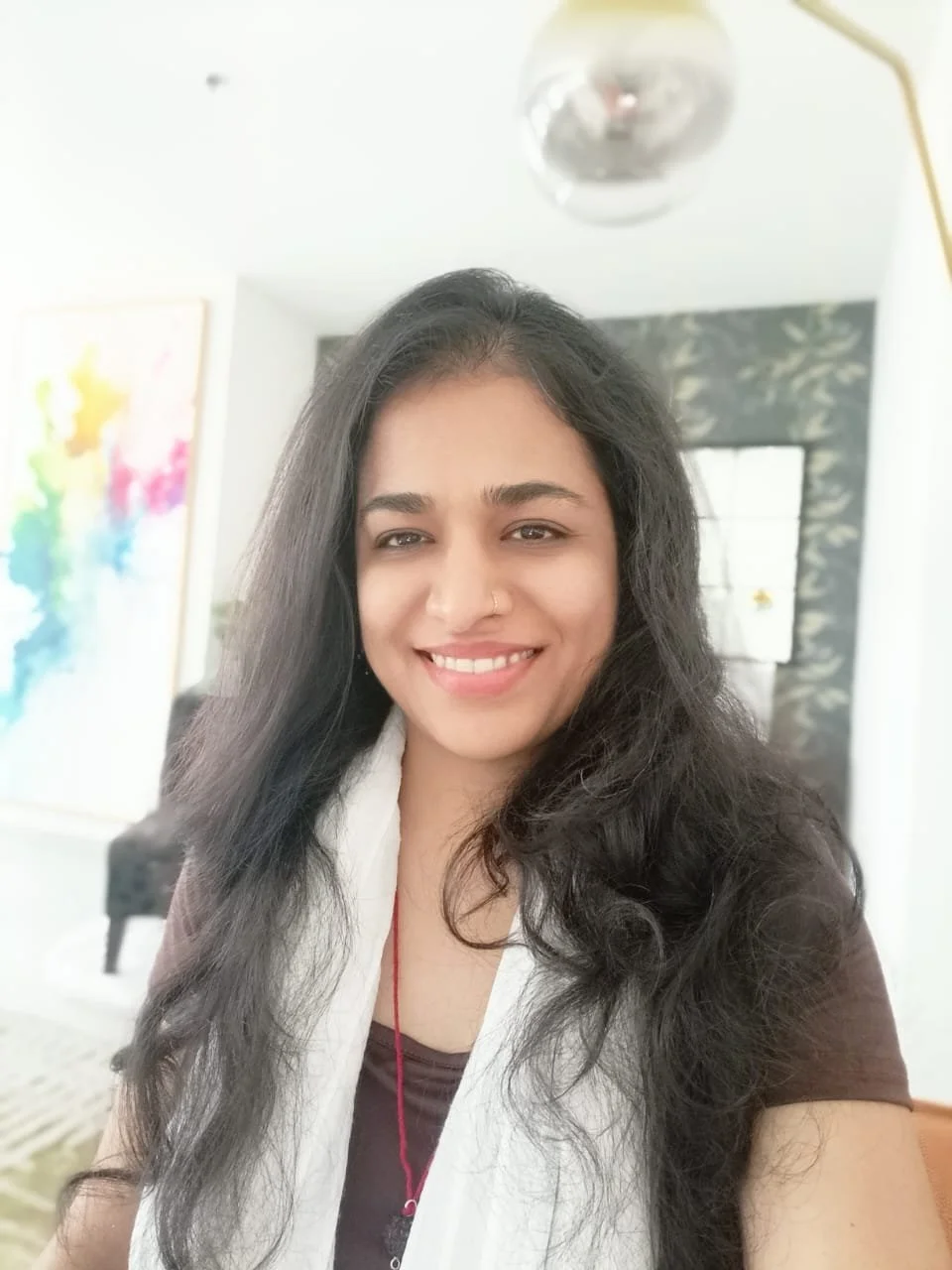
Both are trained mental health professionals who provide therapy using evidence-based techniques. A psychologist typically holds advanced clinical psychology training and works across a broad range of mental health concerns. A counseling psychologist focuses more specifically on counseling, working with everyday life challenges, relationships, and personal growth. At Thrive, both Mahnoor Zulfiqar and Pashmi Khare are CDA-licensed and provide support within their respective areas of expertise.
Can sessions be held online?
Yes. Mahnoor Zulfiqar offers both in-person and online sessions. All sessions with Pashmi Khare are conducted online. Online sessions are particularly useful for clients who travel frequently, those living in other parts of the UAE or abroad, and those who prefer the convenience of working from home.
How long are sessions, and how long does therapy usually last?
Sessions typically last 50 minutes. The overall duration of therapy varies considerably depending on the situation: some specific concerns can be addressed in a few sessions, while deeper work may take months or even years. Frequency is usually weekly at the start, and can decrease over time. We will discuss a realistic plan together based on your needs.
Is what I share kept confidential?
Yes. Confidentiality is a foundational principle of clinical practice. Everything you share in session is protected by professional confidentiality, in line with the standards of the Community Development Authority (CDA) and the professional bodies our clinicians belong to. The only exceptions involve situations where there is risk to the life of the patient or others, and in such cases we will always explain in advance how we will proceed.
Our wider multilingual team offers therapy in 16 languages: English, Arabic, Italian, French, Spanish, Greek, Bulgarian, Bosnian, Croatian, Serbian, Romanian, Urdu, Hindi, Gujarati, Malayalam, and Afrikaans. Farsi is understood but not used as a therapy language.
Contact us at +971 56 895 2347, email reception@thrive.ae, or use the form below to get in touch.